Why Creativity Matters for Senior Wellness
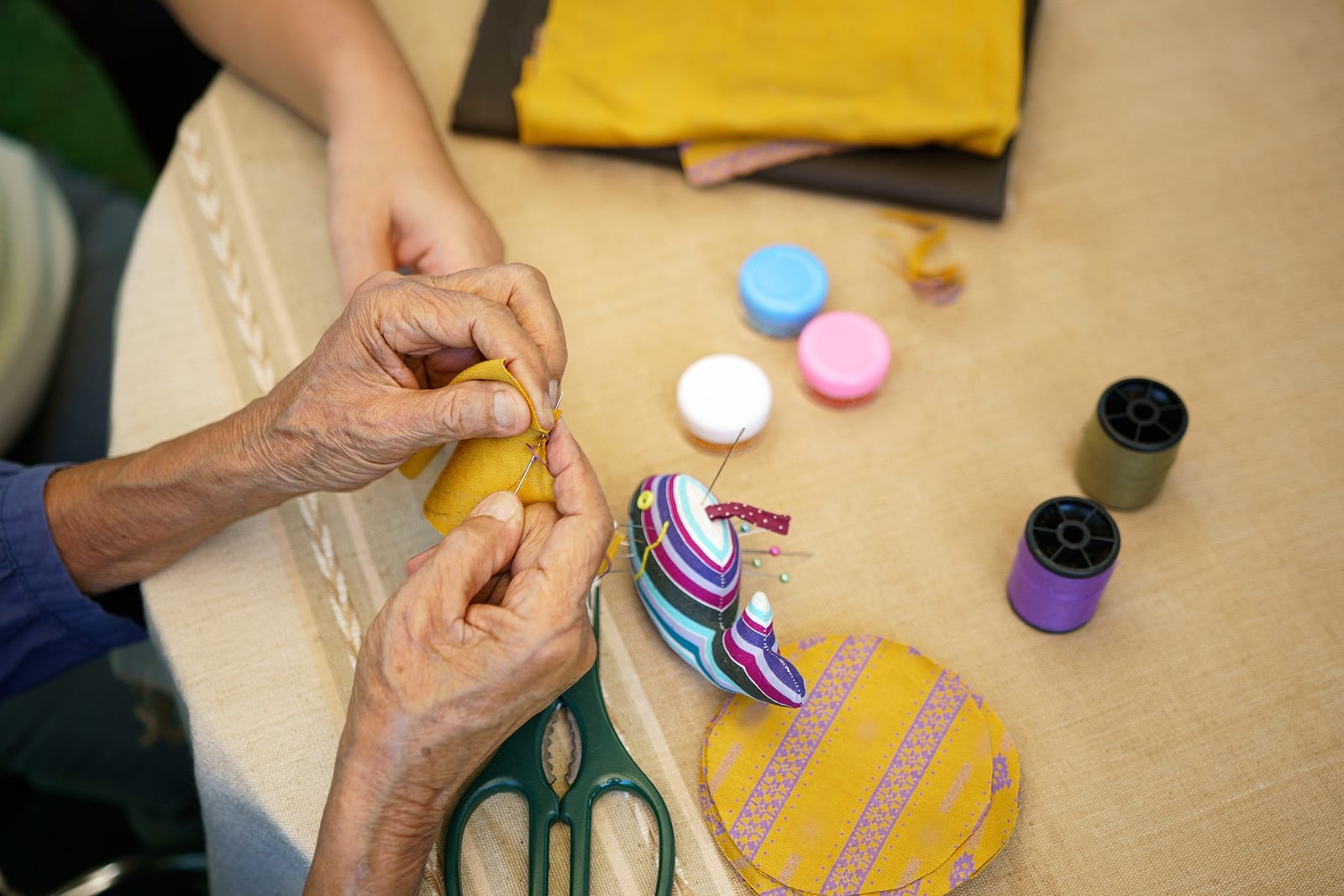
Senior home care encourages creativity through art, music, and meaningful activities.
When families think about keeping an aging parent healthy, they usually focus on doctor visits, medications, and home safety. Those things are important. But art, music, and other creative pursuits play a powerful role in wellness too, and they’re often overlooked. With the right support from senior home care services, caregivers can make creativity a regular part of daily life.
Painting a watercolor, humming along to a favorite song, or writing a short poem can lift a parent’s mood, sharpen the mind, and bring a sense of joy that’s hard to find elsewhere.
Creativity Is Good for Body, Mind, Spirit
Researchers who study aging have found growing evidence that creative activities support well-being in later life. Older adults who take part in music, art, and other expressive activities often report better mood, less loneliness, and a stronger sense of purpose. Creative work engages memory, attention, and problem-solving, while also offering a calming, absorbing focus that can ease stress.
The best part is that no special talent is required. The benefits come from the process of creating, not from producing a masterpiece.
Music Reaches Deep
Music has a remarkable ability to connect with people. A familiar song can bring back vivid memories, change the mood in a room, and spark conversation. Many families notice that a parent who has grown quiet will suddenly smile, tap their foot, or sing along when they hear music from their younger years.
For people living with memory loss, music can be especially meaningful. Recognizing and enjoying familiar songs often lasts long after other memories fade. A carefully chosen playlist can calm restlessness, ease the transition to bedtime, or simply bring a moment of shared happiness.
Simple ways to bring music into the day include:
- Building a playlist of songs from your parent’s teens and twenties
- Singing hymns or folk songs together
- Playing a simple instrument like a keyboard, harmonica, or hand drum
- Listening to a favorite album over afternoon coffee
- Watching recorded concerts or classic musicals
Visual Art Offers Calm Focus
Drawing, painting, coloring, and other visual arts keep hands and eyes busy while the mind settles. Many seniors find that working with colors and shapes is relaxing and absorbing, much like meditation. Art also offers a way to express feelings that may be hard to put into words.
Fine motor activities like holding a brush or shaping clay can help keep hands nimble. For a parent with arthritis, larger brushes, chunky pencils, and easy-grip tools make art more comfortable.
Creative Writing Preserves Stories
Writing doesn’t have to mean a novel. Journaling, short poems, letters to grandchildren, or brief memories written on index cards are all forms of creative expression. Writing encourages reflection and can help a parent process life changes.
For seniors who struggle to write by hand, a senior home care aide can take dictation or record stories by voice. These recordings often become treasured family keepsakes.
Handcrafts Bring Purpose
Knitting, quilting, woodworking, scrapbooking, and similar crafts combine creativity with a sense of accomplishment. Finishing a scarf for a grandchild or a birdhouse for the backyard gives a parent something tangible to share. Many seniors also enjoy returning to crafts they loved earlier in life, which can bring back a sense of competence and identity.
Creativity Builds Connection
Creative activities are naturally social. Singing together, working side by side on a puzzle or painting, or showing a finished project to family all create moments of connection. For a parent who lives alone, these shared experiences can ease loneliness and give visits a fresh focus beyond health updates and errands.
Families can join in too. Painting with grandchildren, singing old songs at a family dinner, or sharing a craft project across generations creates memories for everyone.
Adapting Activities to Changing Abilities
You can adapt creativity at every stage of aging. A parent with low vision might enjoy clay or textured collage. Someone with limited mobility can paint at a lap desk or table. People living with dementia often respond well to simple, open-ended projects, such as painting with watercolors or arranging flowers, where there’s no wrong answer.
The goal is enjoyment and self-expression, not perfection. Celebrate effort and participation as much as the finished piece.
How Caregivers Encourage Creativity
Senior home care providers can play a big part in keeping creativity alive. They can set up supplies, help with fine motor tasks, play music during daily routines, and offer gentle encouragement when a parent feels unsure. Caregivers who learn your parent’s interests can suggest activities that feel personal and meaningful, from listening to big band records to sketching the view from the porch.
Many senior home care providers also notice how creative activities affect mood, energy, and engagement, and they can share those observations with the family.
Bringing Creativity Home
Creativity doesn’t require a studio, expensive supplies, or professional training. It requires time, encouragement, and a little support. When you talk with an agency about senior home care, mention your parent’s creative interests and ask how caregivers can incorporate them into each visit.
A thoughtful senior home care plan supports not only physical needs but also the joy, self-expression, and connection that help a parent truly thrive.
If you or an aging loved one are considering Senior Home Care in Southampton, NY, call the caring staff at Artful Home Care today at (631) 685-5001


- Why Creativity Matters for Senior Wellness - October 26, 2026
- Supporting Those Who Care for Others! - October 16, 2026
- Helping Seniors Create a Safe and Comfortable Home - October 12, 2026