
The Hidden Challenges of Buttons, Zippers, and Shoes as We Age
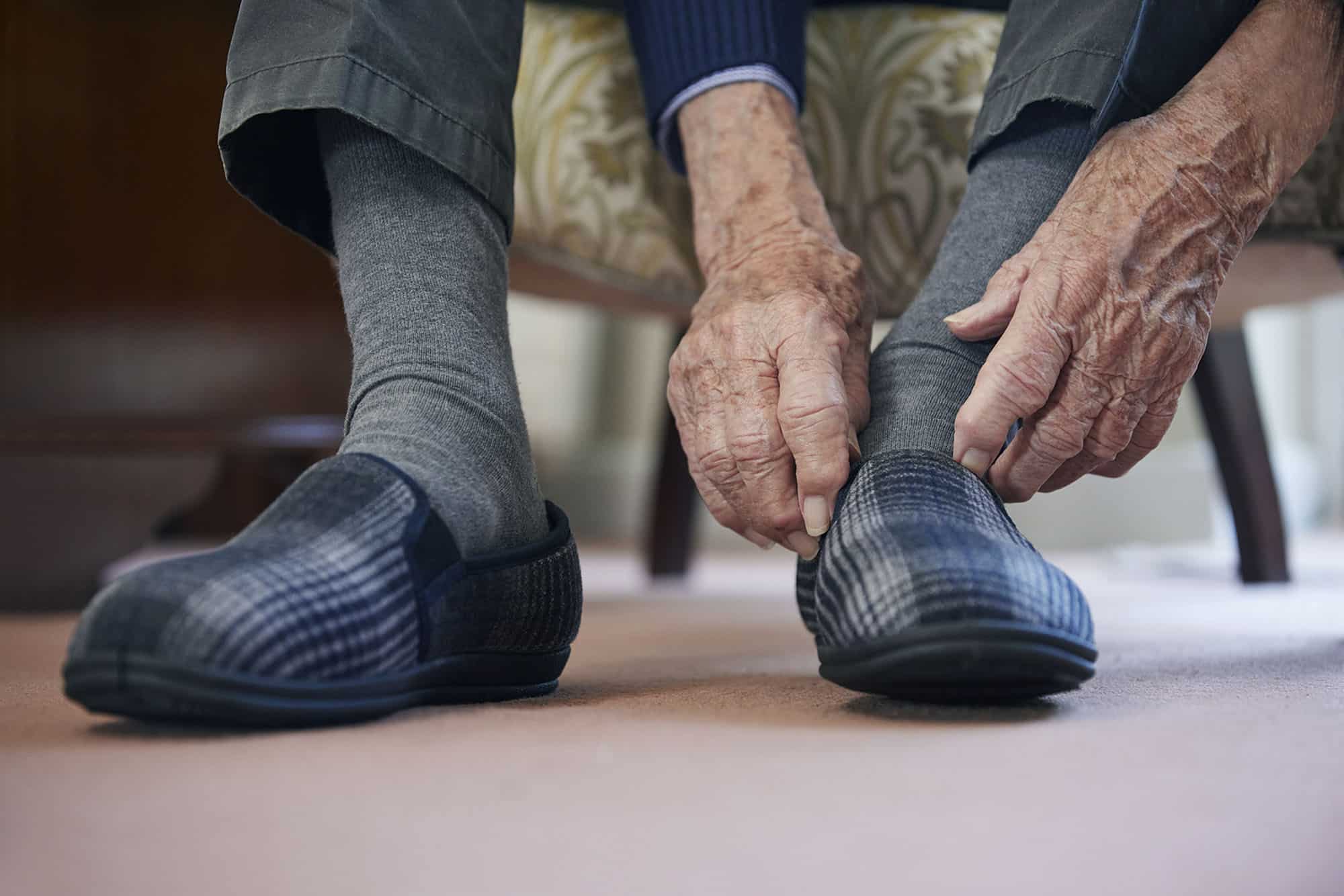
Personal care services provide daily support for safer, more independent living
You may notice your parent wearing the same pull-on pants, loose sweater, and slip-on shoes every time you visit. The clothing is clean and appropriate, so it may not seem important. Yet the change could reflect a daily struggle with buttons, zippers, laces, socks, or other small details that now require painful or difficult movements. Personal care services can provide respectful dressing assistance while helping older adults retain control over their appearance and daily choices.
Dressing is one of those activities most people perform automatically until hand strength, balance, flexibility, or coordination changes. Then a closet full of familiar clothing can become a collection of obstacles. A tiny shirt button may be harder to manage than a heavy kitchen item. A zipper can require two hands to align and pull. Putting on a shoe may involve bending, lifting one leg, and maintaining balance at the same time. These are not minor frustrations when they occur every morning and evening.
Fine Motor Changes Show Up in Unexpected Places
Many dressing tasks depend on fine motor control, which involves small, precise movements of the hands and fingers. Arthritis, tremors, weakness after a stroke, neuropathy, and reduced sensation can interfere with these movements. A person may still be able to carry groceries or hold a coffee mug while struggling to fasten a collar button. That contrast can make the problem easy for families to miss.
The emotional impact is easy to underestimate. Your parent may feel frustrated when a favorite blouse can no longer be fastened or embarrassed about asking for help with a belt. Rather than discuss it, they may quietly stop wearing certain clothes. Over time, their wardrobe becomes limited to whatever is easiest to manage, not necessarily what makes them feel most like themselves.
Shoes and Socks Require More Than Flexible Fingers
Footwear presents a different set of challenges. Putting on socks requires reaching the feet, maintaining balance, and sometimes pulling material over swollen or sensitive skin. Shoes may need to be opened, positioned, and fastened while the person leans forward. For someone with hip stiffness, back pain, shortness of breath, or poor balance, this can be one of the hardest parts of getting dressed.
Families may notice signs such as:
- Wearing slippers throughout the day because other shoes are too difficult to put on.
- Avoiding socks, even when feet are cold.
- Choosing loose or oversized shoes that are easier to slide into.
- Leaving shoelaces tied and forcing the foot into the shoe.
- Declining outings because getting fully dressed feels exhausting.
Some of these adaptations may increase safety concerns. Loose footwear can contribute to tripping, while forcing a foot into a tied shoe may create instability. The problem is not that your parent made a poor choice; it is that the safer option may have become too difficult to manage alone.
Clothing Choices Can Affect Identity and Confidence
Clothing is personal. It reflects taste, routine, culture, work history, and the way someone wants to present themselves. When dressing becomes difficult, older adults can lose more than access to certain outfits. They may lose a small but meaningful way of expressing who they are.
Consider a father who always wore a button-down shirt to Sunday dinner but now arrives in a T-shirt because fastening buttons hurts. Or a mother who stops wearing jewelry and coordinated outfits because clasps and zippers have become frustrating. Family members may see a practical change, while the senior experiences it as another reminder that their body is no longer cooperating in familiar ways.
Helpful Support Does Not Eliminate Choice
Dressing assistance should begin with the senior’s preferences. A personal care services caregiver can lay out several appropriate options, help with the difficult fasteners, and encourage the person to complete the portions they can manage. This protects independence because the senior is still choosing the clothing, setting the pace, and participating in the routine.
Personal care services support may involve:
- Fastening or unfastening buttons, hooks, snaps, and zippers.
- Helping with socks, shoes, and other hard-to-reach clothing.
- Providing steady support while the senior dresses from a seated position.
- Organizing frequently worn items where they are easy to reach.
- Assisting with grooming so the entire routine feels coordinated and complete.
Personal care services can also reduce the pressure to replace every favorite garment with adaptive clothing immediately. Adaptive options can be useful, but many seniors still want to wear the clothes they already own. A little assistance may be enough to keep those choices available.
Dressing Difficulties Can Change the Rest of the Day
When getting dressed is painful or exhausting, seniors may stay in sleepwear longer, cancel appointments, or avoid visitors. They may say they do not feel like going out when the real problem is the preparation required. Once in-home personal care services are available, families sometimes see a noticeable change in participation. The parent who avoided lunch may be willing to go again because dressing no longer consumes the morning.
This is why dressing support should not be dismissed as cosmetic. Comfortable, appropriate clothing affects mobility, warmth, social confidence, and willingness to engage with others. Proper footwear can also support safer movement throughout the home and community.
Notice the Work Behind the Outfit
The next time you notice your parent wearing the same easy outfit, consider what the clothing may be telling you. Ask whether buttons hurt, shoes are difficult to reach, or getting dressed has started taking too much energy. A calm, specific question is often easier to answer than a broad suggestion that they need help.
With in-home personal care services, older adults can receive assistance with the hidden challenges of dressing while keeping the preferences and routines that matter to them. The goal is not to create a perfect appearance. It is to help your loved one feel comfortable, safe, and recognizably themselves when they begin the day.
If you or an aging loved one are considering Personal Care Services in Southampton, NY, call the caring staff at Artful Home Care today at (631) 685-5001


- Museum Visits, Art, and Creativity: Enriching Life Through Meaningful Experiences - September 11, 2026
- How Pet Therapy Creates Moments of Connection for Seniors Living with Memory Loss - August 26, 2026
- The Hidden Challenges of Buttons, Zippers, and Shoes as We Age - August 7, 2026