How Pet Therapy Creates Moments of Connection for Seniors Living with Memory Loss
Memory care services bring comfort through gentle pet therapy and connection.
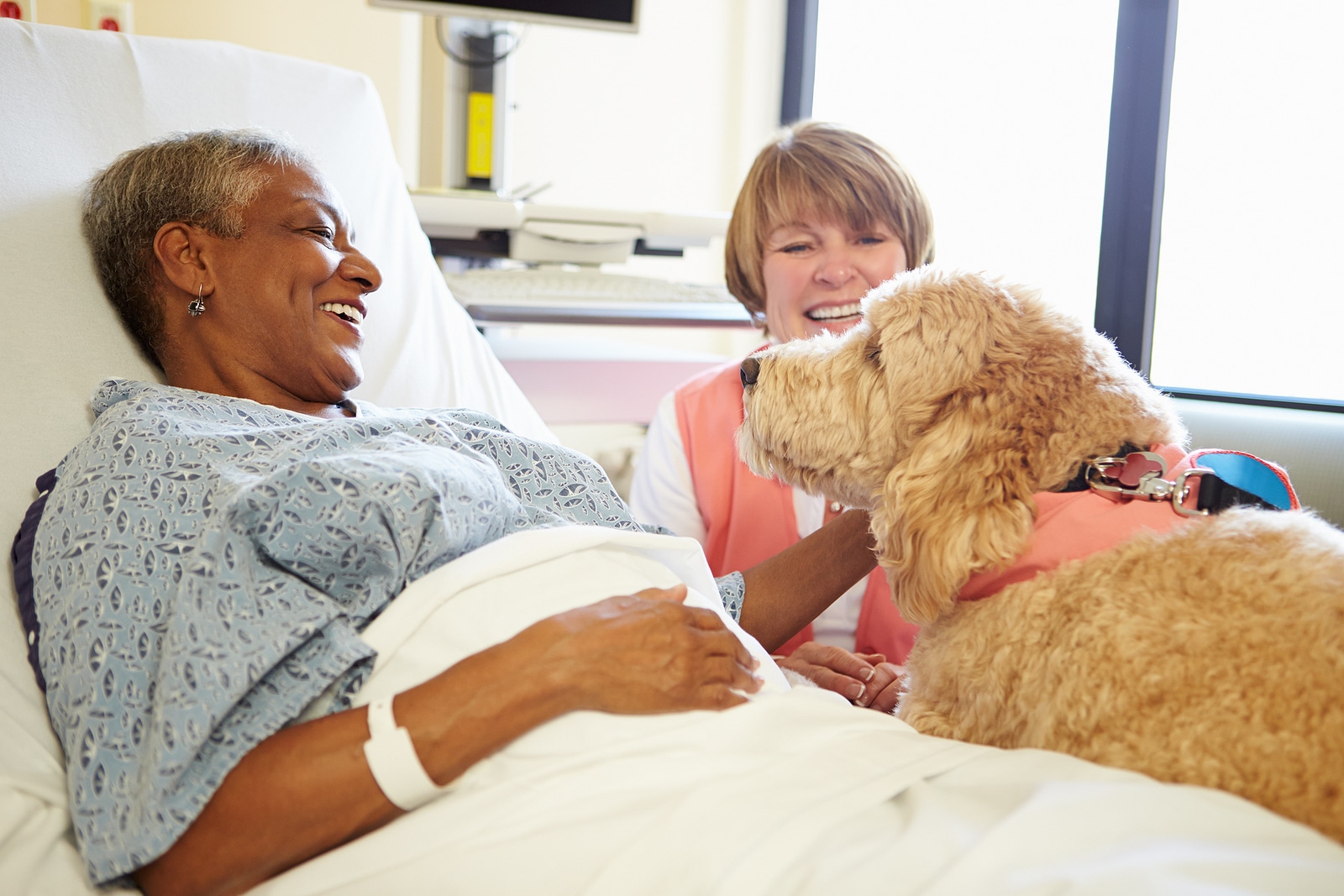
A familiar wagging tail, the warmth of an animal resting nearby, or the simple act of brushing soft fur can bring comfort when words are difficult to find. For an older adult experiencing memory changes, these small interactions may offer reassurance without requiring a complicated conversation or a perfectly remembered name. Pet therapy can complement memory care services by creating calm, familiar moments that encourage connection, reduce feelings of isolation, and give seniors an enjoyable way to participate in the present.
Why Animals Can Reach People in a Different Way
Memory loss can change how a person communicates, responds to unfamiliar situations, and participates in daily routines. Questions may be repeated, names may be forgotten, and a once-simple activity may become frustrating. Yet emotional responses often remain meaningful. A person may not remember every detail of a visit, but may still respond to gentleness, warmth, and a sense of safety.
Animals do not expect someone to recall a date, finish a sentence, or explain how they feel. Their presence can make interaction feel less demanding. A senior can watch a pet move around the room, offer a gentle touch, hold a brush, or simply sit nearby. That freedom from pressure can be especially valuable on days when conversation feels tiring or confusing.
A Source of Comfort During Unsettled Moments
Changes in routine, unfamiliar faces, and difficulty understanding what is happening can sometimes leave a person with memory loss feeling restless or uneasy. A calm animal may provide a point of focus that redirects attention in a positive way. Stroking fur, watching a pet settle down, or hearing a caregiver speak softly about the animal can help create a quieter atmosphere.
This does not mean every difficult moment will disappear, and pet therapy should never be treated as a cure for memory loss. Its value is more immediate and personal. It may help someone feel less alone, more settled, or more willing to remain engaged for a few minutes. Those moments can matter greatly to both the senior and the family members who want visits and daily routines to feel less stressful.
Encouraging Interaction Without Forcing Conversation
Families often worry when a loved one becomes less talkative or loses interest in activities that were once enjoyable. Direct questions such as “Do you remember this?” or “What did you do today?” can unintentionally create pressure. An animal offers a natural subject that does not depend on memory.
A caregiver might comment on the pet’s color, ask whether the senior would like to help brush it, or encourage the person to watch the animal play. The senior may respond with a smile, a gesture, a brief story, or a few words. Even with little verbal response, eye contact, relaxed posture, and gentle touch can still show meaningful engagement.
Pet visits may also bring forward older memories. Someone who once owned a dog, cared for farm animals, or enjoyed feeding neighborhood birds may begin talking about those experiences. The details may not always be exact, but the emotional connection can be genuine. The goal is not to correct every fact. It is to share the moment and support the person’s sense of identity.
Adding Purpose to the Day
Many people feel better when they have a role, even a very small one. Memory changes can gradually reduce opportunities to make decisions or contribute to daily life. Pet-related activities can restore a modest sense of purpose. A senior may help fill a water bowl, choose a toy, hold a treat with assistance, or brush an animal for a few minutes.
The activity should always match the person’s comfort, mobility, and ability level. Participation may be as simple as choosing between two brushes or deciding where the pet should sit. These small choices support involvement in daily life rather than turning the senior into a passive observer.
Pet therapy can fit naturally alongside other memory care services such as gardening, crafts, games, outdoor walks, and creative activities. Variety is important because interests and energy levels can change from day to day. One person may enjoy active interaction, while another may prefer to watch quietly from a chair. Both forms of participation are valid.
Safety and Personal Preference Come First
Not every senior enjoys animals, and not every animal is suitable for this kind of interaction. A thoughtful memory care services plan should consider allergies, fear of animals, past experiences, skin sensitivity, mobility limitations, and the possibility of sudden movements. The animal should be calm, healthy, supervised, and comfortable around older adults.
Caregivers should also watch the senior’s body language. Signs of enjoyment may include smiling, leaning toward the animal, speaking more, or appearing relaxed. Signs of discomfort may include pulling away, becoming tense, turning the head, or repeatedly asking for the animal to leave. A positive activity should never become an obligation.
Families can help by sharing what they know. Did their loved one grow up with cats? Was there a favorite dog? Did the person prefer birds, rabbits, or animals viewed from a distance? These details can guide the experience and make it more personal.
Creating Moments Families Can Share
Pet visits can also give relatives a gentler way to spend time together. Instead of feeling responsible for carrying the entire conversation, family members can focus on the animal, take a few photographs, or sit quietly while their loved one interacts. This can reduce the pressure many adult children feel when a parent no longer communicates in familiar ways.
A visit does not have to produce a dramatic response to be worthwhile. A peaceful expression, a laugh, a remembered pet’s name, or a hand resting on an animal’s back may become the most meaningful part of the day. The senior may not later recall every detail, but the sense of comfort experienced in the moment still has value.
Connection Can Be Simple
Memory loss can make families feel as though the person they know is becoming harder to reach. Yet connection does not always depend on long conversations or shared recollection. Sometimes it begins with a sensory experience, a familiar feeling, or a living companion that asks nothing more than gentle attention.
When thoughtfully included in memory care services, pet therapy can create opportunities for calm, participation, affection, and shared enjoyment. It reminds families that meaningful engagement can still happen in simple ways. A few quiet minutes with an animal may offer comfort, awaken a memory, or make an ordinary afternoon feel warm and familiar.
If you or an aging loved one are considering Memory Care Services in East Hampton, NY, call the caring staff at Artful Home Care today at (631) 685-5001


- Helping Seniors Create a Safe and Comfortable Home - October 12, 2026
- The Future is Now: Moving Forward Together - September 29, 2026
- Decluttering for Seniors: A Path to Safer, Simpler Living at Home - September 25, 2026